

Most beginners assume a motor is just a motor. Open two of them up, though, and you will find they work in very different ways. Choosing between brushed and brushless is one of the first decisions in a learning build, and it affects what you wire, what you buy and how much maintenance you will do.
Key takeaways
- A brushed motor uses brushes to switch current, and the brushes wear out over time.
- A brushless motor has no brushes and needs an electronic speed controller (ESC) to drive it.
- Brushless suits most larger multirotor builds, while brushed suits simple toy or micro drones.
Brushed or brushless: the short answer
For most larger multirotor builds, such as a quadcopter you assemble from parts, brushless motors are the usual choice. Brushed motors suit simple toy or micro drones, where low cost and simple wiring matter more than efficiency. The rest of this post explains why.
What is a brushed motor?
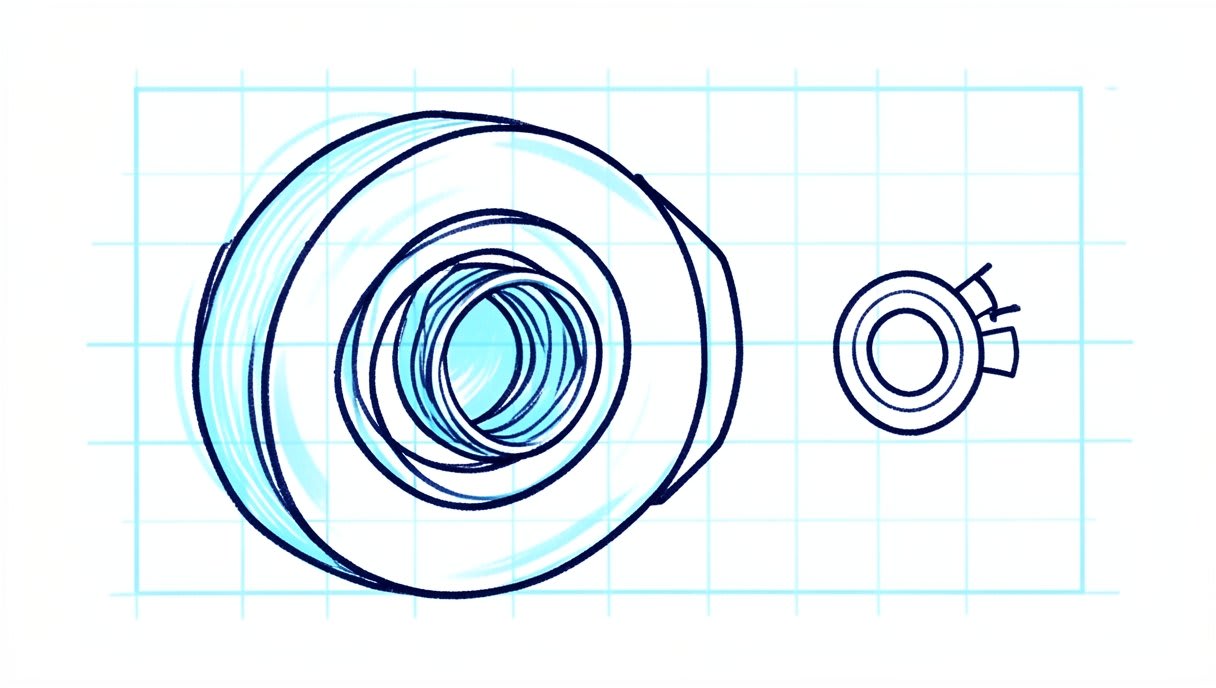
A brushed motor has a spinning part wound with copper coils, and a fixed set of magnets around it. The current in those coils has to switch at the right moments to keep the spin going. A brushed motor handles this mechanically, using a commutator and brushes. The commutator is a ring split into segments on the spinning part. The brushes are small contacts that press against it and feed current to the coils as they turn. Think of the commutator as a rotating switch that hands current to the right coil at the right moment.
Why do brushes wear out?
Brushes rub against a part that never stops moving. Every turn adds friction, so the brushes slowly wear down and shed a little dust. Once they are too worn to make good contact, the motor loses power, and you replace the brushes or, on small motors, the whole motor.
How does a brushless motor work?
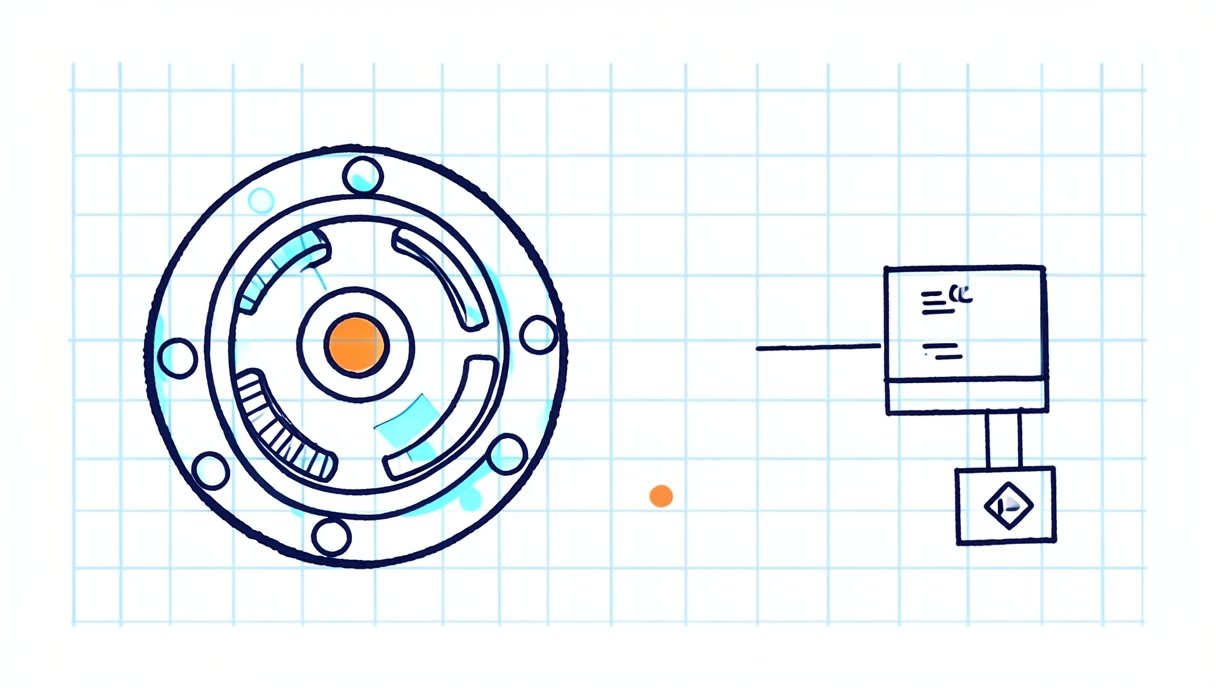
A brushless motor is built the other way round. Its magnets sit on the spinning part, and its coils stay fixed in place. With no brushes to switch the current, something else has to do the job, and that something is an electronic speed controller, or ESC.
Why does a brushless motor need an ESC?
The ESC takes power from your battery and sends current to the coils in the right order, many times every second. It also takes a speed signal that tells it how fast to turn. Without an ESC, a brushless motor cannot run in a controlled way, so every brushless build needs one. To learn more, read the ArduPilot Copter documentation.
Brushed vs brushless: the trade-offs
Here is how the two compare for a learning build.
| Brushed | Brushless | |
| Cost | Usually lower | Usually higher, and you also need an ESC |
| Wiring | Simple: two wires to the motor | More wiring: three motor wires plus an ESC |
| Efficiency | Lower, because the brushes lose energy to friction and heat | Higher, with no brush friction |
| Power-to-weight | Lower: less power for its weight | Higher: more power for its weight |
| Maintenance | Brushes wear out; small motors are often replaced whole | No brushes to replace |
| Typical use | Toy and micro drones | Larger multirotor builds |
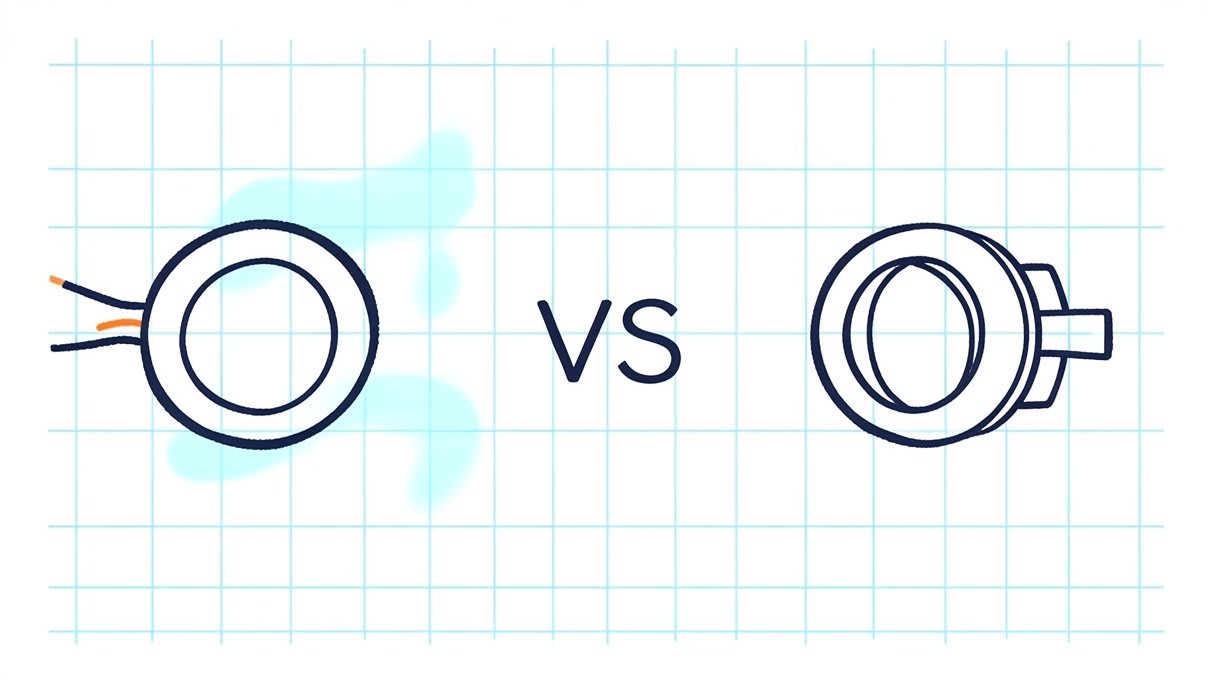
Cheaper and simpler is not the same as better. A brushed motor is a sensible choice for a small toy. Brushless is the normal choice when you want more power and efficiency for a larger frame.
Which one should you choose?
Use this simple rule. If your drone is a toy or micro drone, a brushed motor fits well. If you are building a larger multirotor, go brushless and budget for an ESC from the start. If you are unsure, look at the parts list for your frame and flight controller. The parts you have already chosen will often make the answer clear.
Before you buy: a short checklist
- Confirm the ESC requirement. Brushless motors need one, so check your parts list before you order.
- Read the motor’s size markings. Make sure you understand what the numbers mean before you compare motors. A separate post covers reading size and KV ratings (the speed-per-volt number on a motor).
- Check the motor and propeller combination. Make sure the propeller suits the motor you choose. Matching them is covered in a later post.
- Bench test safely. Take the propellers off before you power anything up, and disconnect the battery while you check the wiring. Keep fingers and tools clear of anything that spins. Our first drone setup guide covers more beginner mistakes.
Before you fly anywhere, check the current drone rules on the official Indian government source.
FAQ
Do brushless motors need an ESC?
Yes, because a brushless motor has no brushes to switch its current, so an electronic speed controller (ESC) has to drive it. Without one, the motor cannot run in a controlled way. Check your parts list for an ESC before you order.
Are brushed motors good for a beginner drone?
They can be, for a simple toy or micro drone where low cost and simple wiring matter most. For a larger multirotor you build from parts, brushless is usually the better match for power and efficiency. Think about what you are building before you choose.
Why do brushed motors wear out?
Their brushes rub against a spinning part, so they gradually wear down and shed dust. Once the brushes are too worn to make good contact, the motor loses power, and you replace the brushes or the whole motor. Brushless motors avoid this because they have no brushes.
Practise before you build
Before you fly a real build, you can practise piloting in the free Aasma browser simulator at sim.aasmaaerospace.in. It runs in your browser and needs no install. When you are ready for hardware, explore the Aasma learning kits and the drone programming learning path for what comes after the build. Next up, we look at what an ESC actually does and what to check on a motor’s datasheet. Which motor is already sitting on your workbench, and which one is it going into?


