

Ask a friend to name a drone job and they’ll probably say “pilot”. But who built that drone, wrote its code or made sense of the pictures it brought back? If you like drones and are wondering what kind of work they could lead to, you have more options than you might think. You also don’t need to own a drone to begin.
Key takeaways
- Four entry-level drone roles are pilot, technician, software and data or imaging analyst, and each has a different core skill.
- You can start practising each role’s first skill at home or school with free tools and free documentation.
- Check the official government source before you fly.
Drones can be work, not only a hobby
So what are the main drone jobs in India for a beginner to explore? This post looks at four: people who fly drones, keep them working, program them and study what they capture. You won’t find salary figures or job promises here, only a plain map. Pick the role that makes you most curious, then try its first skill.
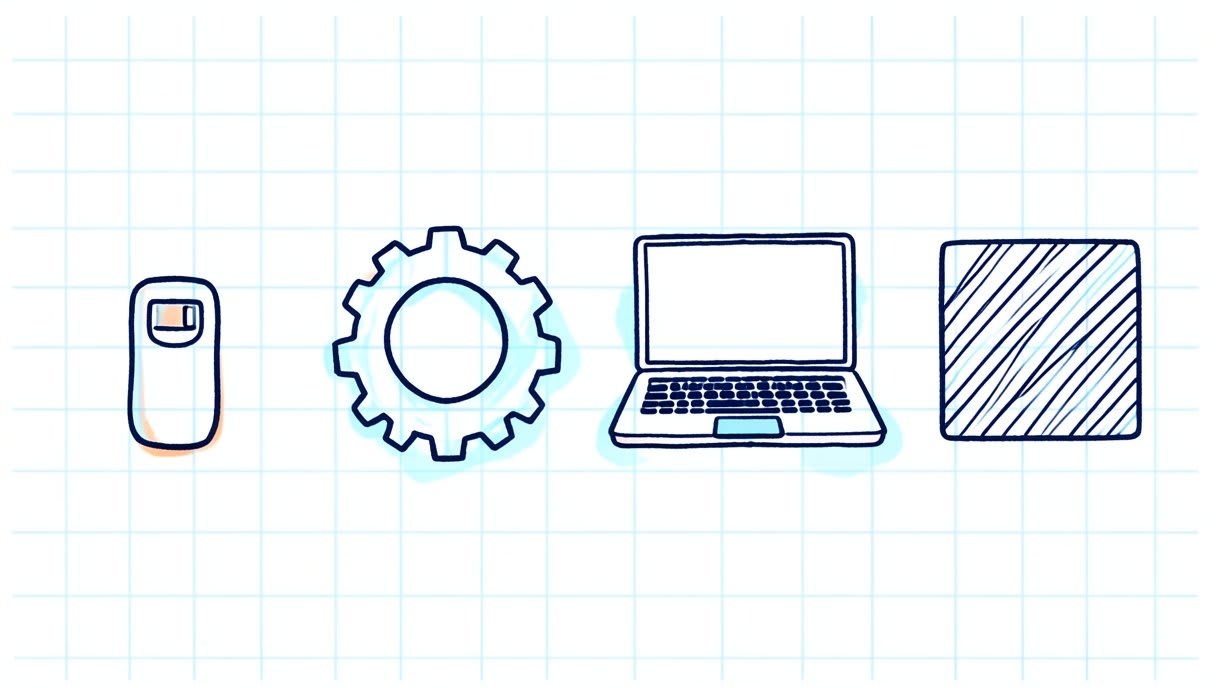
Four entry-level drone roles at a glance
| Role | Main task | First skill |
|---|---|---|
| Drone pilot | Plans and flies flights | Basic manoeuvres |
| Drone technician | Builds, tests and fixes drones | Assembling and checking a small drone |
| Drone software | Writes code that commands drones | Python and a simulated drone |
| Data or imaging analyst | Studies what drones capture | Reading images and flight data |
Let’s start with the role most people picture first.
Drone pilot: flying with a plan
What does a drone pilot do day to day?
A pilot’s work starts before take-off. You think through the job, plan the route and check that the drone is ready. During the flight, you stay aware of the drone and its surroundings. Afterwards, you land safely and note what happened, much like a driver who plans the journey as well as steering.
First skill: basic manoeuvres
Start with the small things: a steady hover, smooth turns and a gentle landing. They sound easy until you try them! You can practise in the free Aasma browser simulator. There’s nothing to install, you use your keyboard, and there are 6 missions to try. When you’re curious about what happens beyond manual flying, explore the ArduPilot Copter docs, created by the ArduPilot community. ArduPilot is autopilot software, which helps fly the vehicle, and it’s open source, so anyone can read its code. A mission is a planned set of tasks for the drone to carry out.
Check the official drone rules before you fly
Before any real flight, read the official government source yourself.
Drone technician: building, testing and fixing
What does a drone technician do day to day?
Technicians are the drone’s mechanics. They put parts together, test that everything works and track down faults when something doesn’t. A typical problem might be a drone that drifts or a motor that won’t spin. The technician works through the possible causes, one at a time, like a doctor ruling things out.
First skill: assemble and check a small drone
Before you buy anything, learn to look at a drone as a system. Espressif’s ESP-Drone is a useful project to study: an ESP32-based mini drone with open hardware and firmware. An ESP32 is a small programmable chip, and firmware is the software that runs on the board. Sketch how you think power reaches the motors, then write down what you would check first if one stopped working.
Curious about the role where a typing mistake can change how a drone behaves? That’s next.
Drone software: code that flies the drone
What does drone software work involve?
Software people write code that tells a drone what to do, or that reads what the drone reports back. Instead of moving the controller sticks yourself, you describe the flight in code. Two open-source projects show what this looks like. pymavlink, from ArduPilot, gives Python access to MAVLink messages, the messages used to communicate with a drone. MAVSDK-Python, from the MAVSDK project, is a Python API for PX4 and MAVLink drones. An API is a ready-made set of commands that your code can call, and PX4 is another open-source autopilot.
First skill: Python and a simulated drone
Python is a friendly first language, and a simulated drone lets you test your ideas without risking real hardware. A first script often follows steps like these:
connect to the simulated drone
arm the motors
take off
hold position
land
“Arm” means getting the motors ready to spin. To try it yourself, follow this guide to programming a drone with Python.
Drone data and imaging analyst: working with what drones capture
What does the work involve?
A flight can produce plenty of images and sensor readings, but those don’t explain themselves. An analyst looks through them and turns them into something useful. Imagine a set of photos taken above a farm or a building. The analyst looks for patterns and changes, then explains what they found in plain words.
First skill: read images and flight data
Start with your phone. Photograph the same patch of ground from the same spot for a week, then write down what changed. Next, get to know ground station software, which people use on a computer to work with a drone. QGroundControl, from the QGroundControl project, is a ground station for PX4 and ArduPilot that runs on different operating systems. Explore its pages and note any terms you’d like to understand.

Frequently asked questions
Do I need to code to work with drones?
Not for every role. Coding is the first skill for drone software, while the other roles here start with flying, building or reading data. If coding appeals to you, this drone programming learning path can help you plan your next steps.
Can I practise flying before I own a drone?
Yes. The free Aasma browser simulator runs in your browser with keyboard controls, so there’s nothing to install. It has 6 missions to practise with.
Where do I check drone rules in India?
Check the official government source before you fly.
Where to start this week
You don’t need to master all four roles. Try one small step from each, for free, and notice which one you want to keep doing:
- Pilot: practise a hover, a turn and a landing in the simulator.
- Technician: study ESP-Drone and sketch how its main parts connect.
- Software: write your first short Python script for a simulated drone.
- Data analyst: photograph one spot for a week and record what changed.
Want the quickest place to begin? Try the free browser flight simulator today, with no install. When you’re ready to build, take a look at the Aasma learning kits. So, would you rather fly the drone, fix it, code it or read what it saw? Your answer may lead to the next big question: which industries use that skill?


